Every project, set up for agents
Every project gets BMAD, the ADE methodology and eight core agents, plus Solidity, Solana, Go or Rust agents for its stack.
How project setup works
The terminal built around Claude Code, with Codex, Gemini and local models alongside it, and a methodology that decides when the work is actually done.
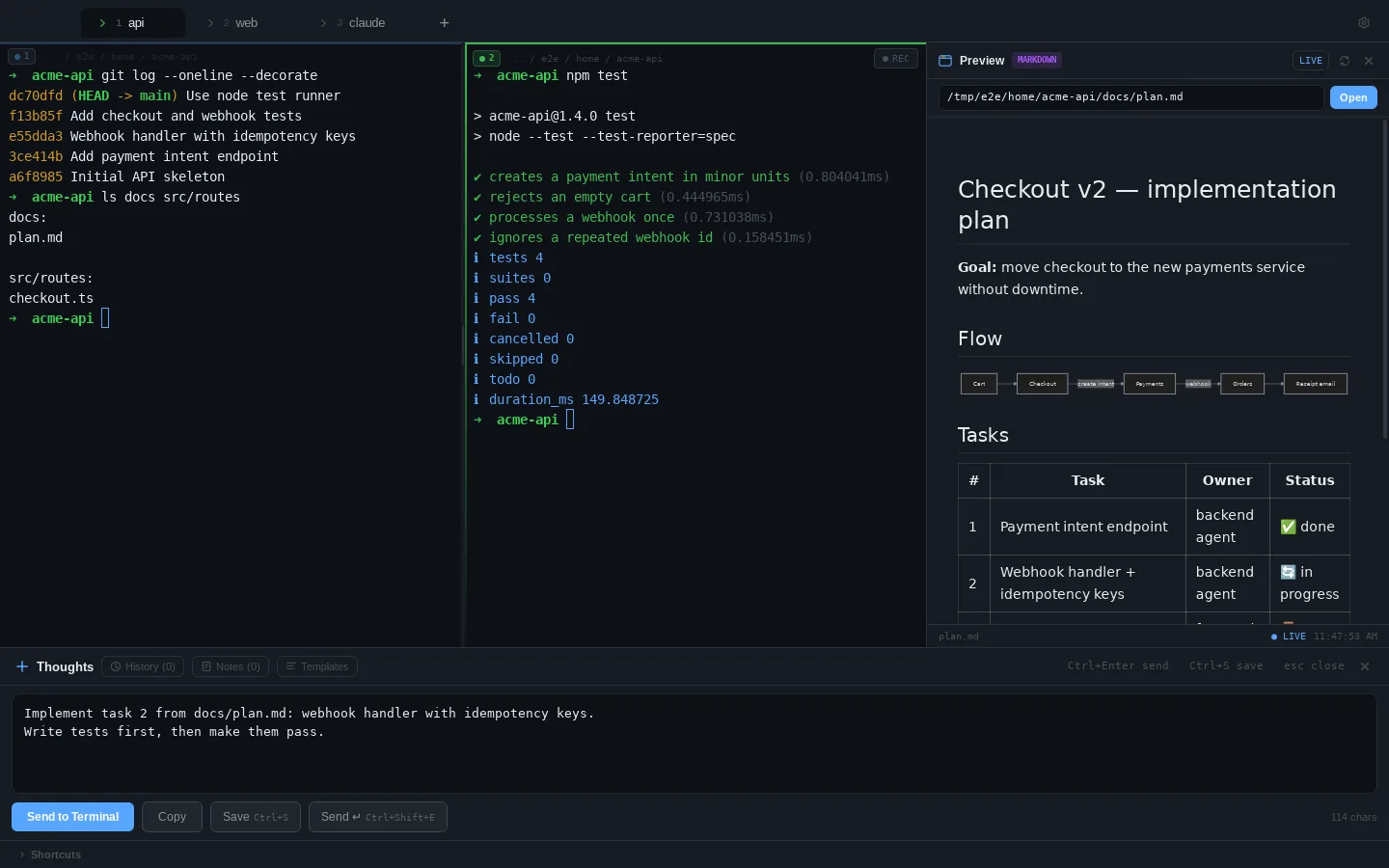
Run AI agents well. Ship smart contracts safely.
Any CLI agent, side by side, in projects set up for them, with every token accounted for.
Every project gets BMAD, the ADE methodology and eight core agents, plus Solidity, Solana, Go or Rust agents for its stack.
How project setup worksEvery project gets sub-agents in .claude/agents/ and a CLAUDE.md constitution. The fleet gives each sub-agent its own lane, spend is read from Claude Code's own transcripts, and ADE ships a plugin for it with 7 agents and 13 skills. The others run beside it; this is the one it is built around.

Every agent and sub-agent on one live timeline, with its real cost.
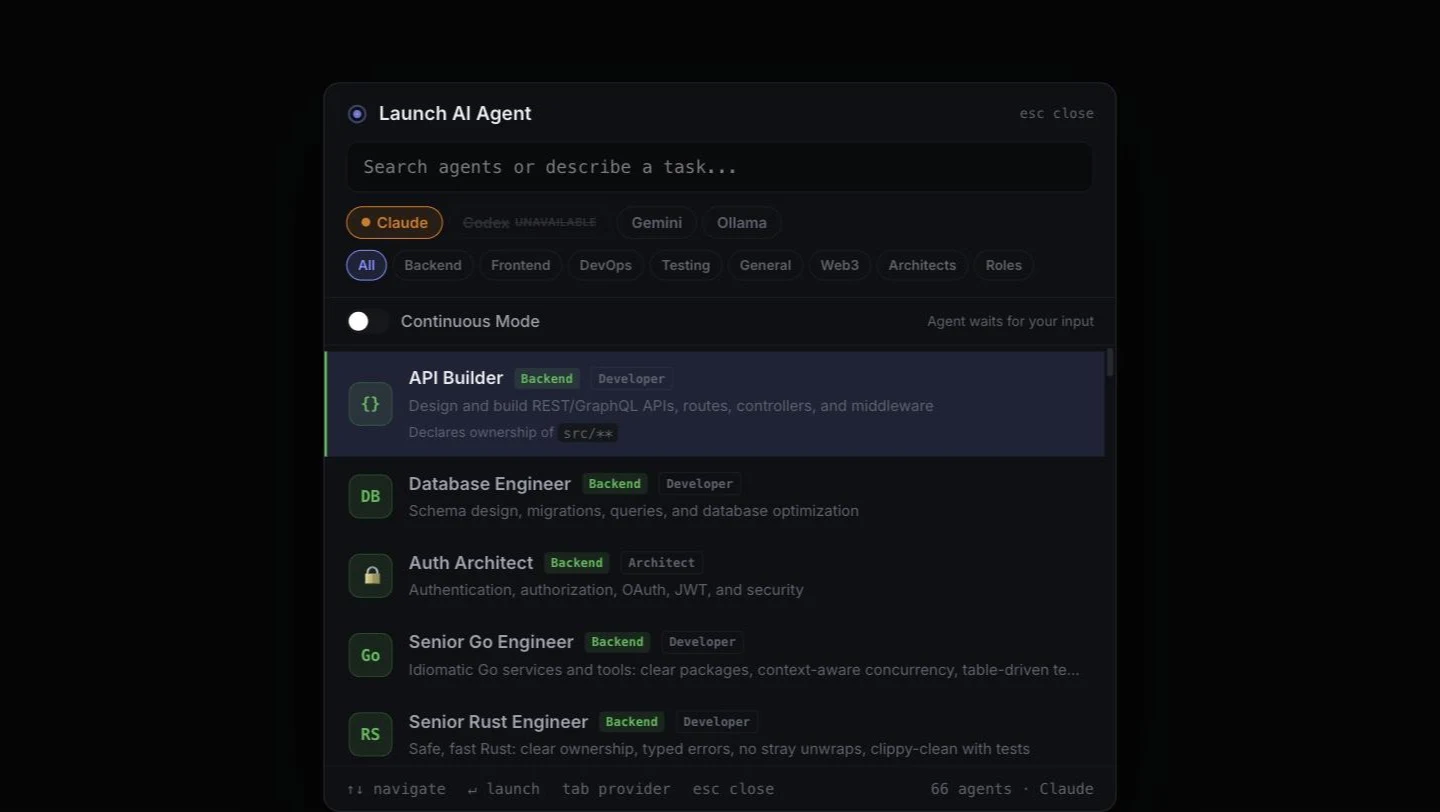
47 role-and-domain profiles and 19 standalone roles. Backend, Web3, DevOps, testing and more.
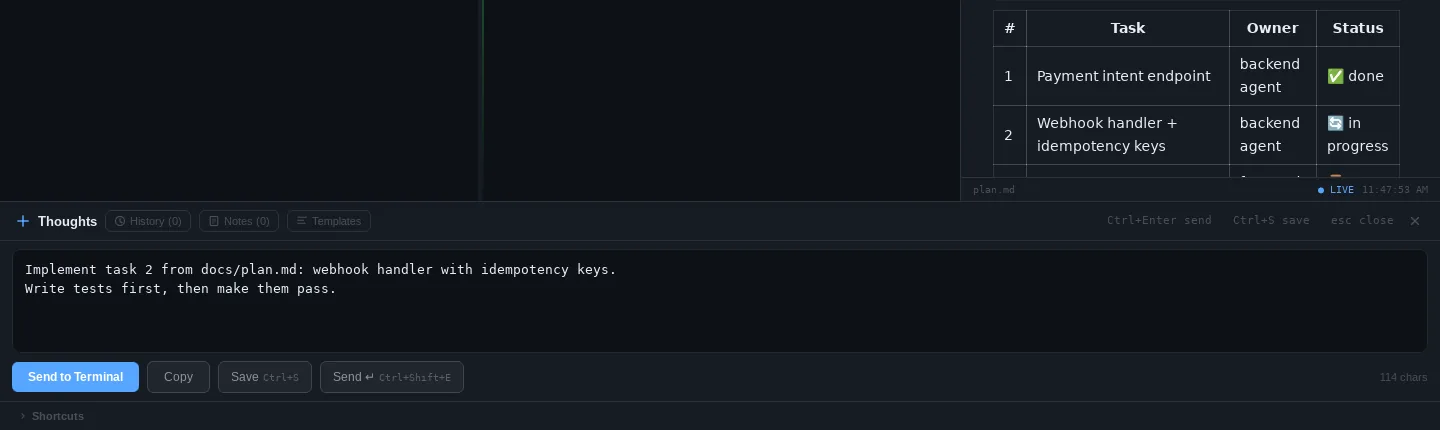
Draft, chain and reuse prompts. Drafts survive crashes.
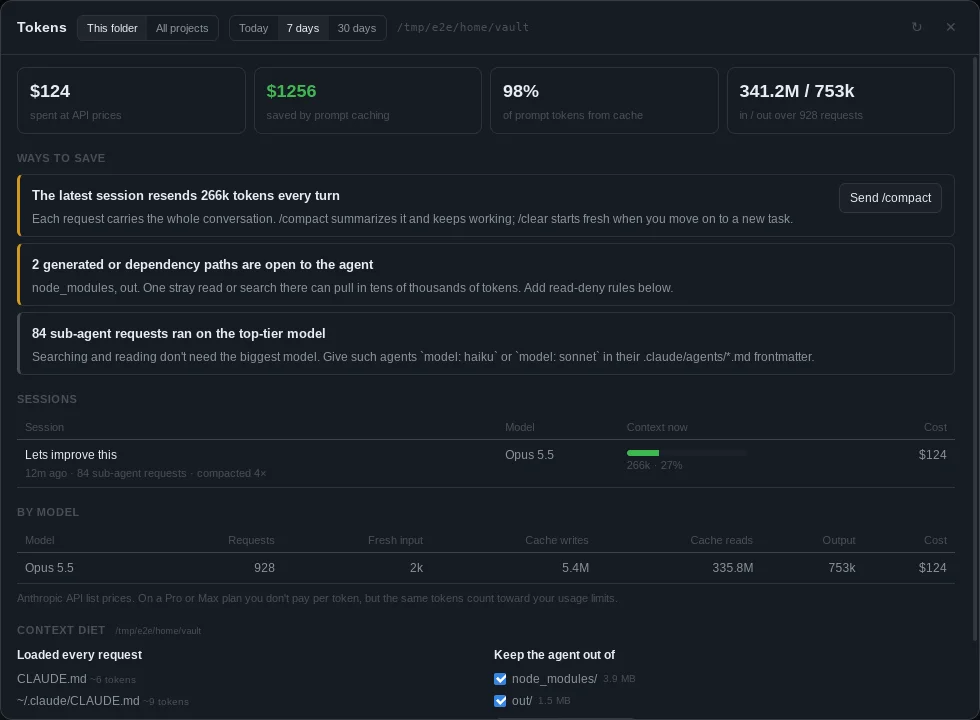
Cost, cache savings and context per session, with one-click savers.
An agent will tell you it is finished. The question is who checks. ADE sets every project up with a methodology that answers that, and roles that cannot mark their own homework.
Every project agrees one verification command up front. A story is Done when it passes on that commit, with the output shown. Not when an agent says so.
The Developer writes the failing test first, then the code. QA judges the result and may not edit code or tests, because a verifier that repairs what it measures can make its own verdict come true.
It ships with a read-only tool allowlist on purpose: Read, Grep, Glob, Bash. It judges and reports. Widening it to unblock a story is how review stops meaning anything.
Analyst through security engineer, SRE and release manager. Each one states what it owns, what it must not touch, and whose job the rest is, so parallel agents stop contradicting each other.
75 files of tasks, checklists, templates and workflows. Eight roles name the ones that do their job, so the Scrum Master shards with create-next-story and QA traces criteria with trace-requirements instead of improvising both.
A knowledge store per role, committed with the project. Shared contracts go to the context store where parallel agents read them. An update never overwrites either.
The two places unreviewed code costs the most. Architects for agent design, RAG and LLMOps sit beside Foundry, Hardhat and Anchor. Smart contracts run from first test to reviewed deploy, and ADE never touches private keys.
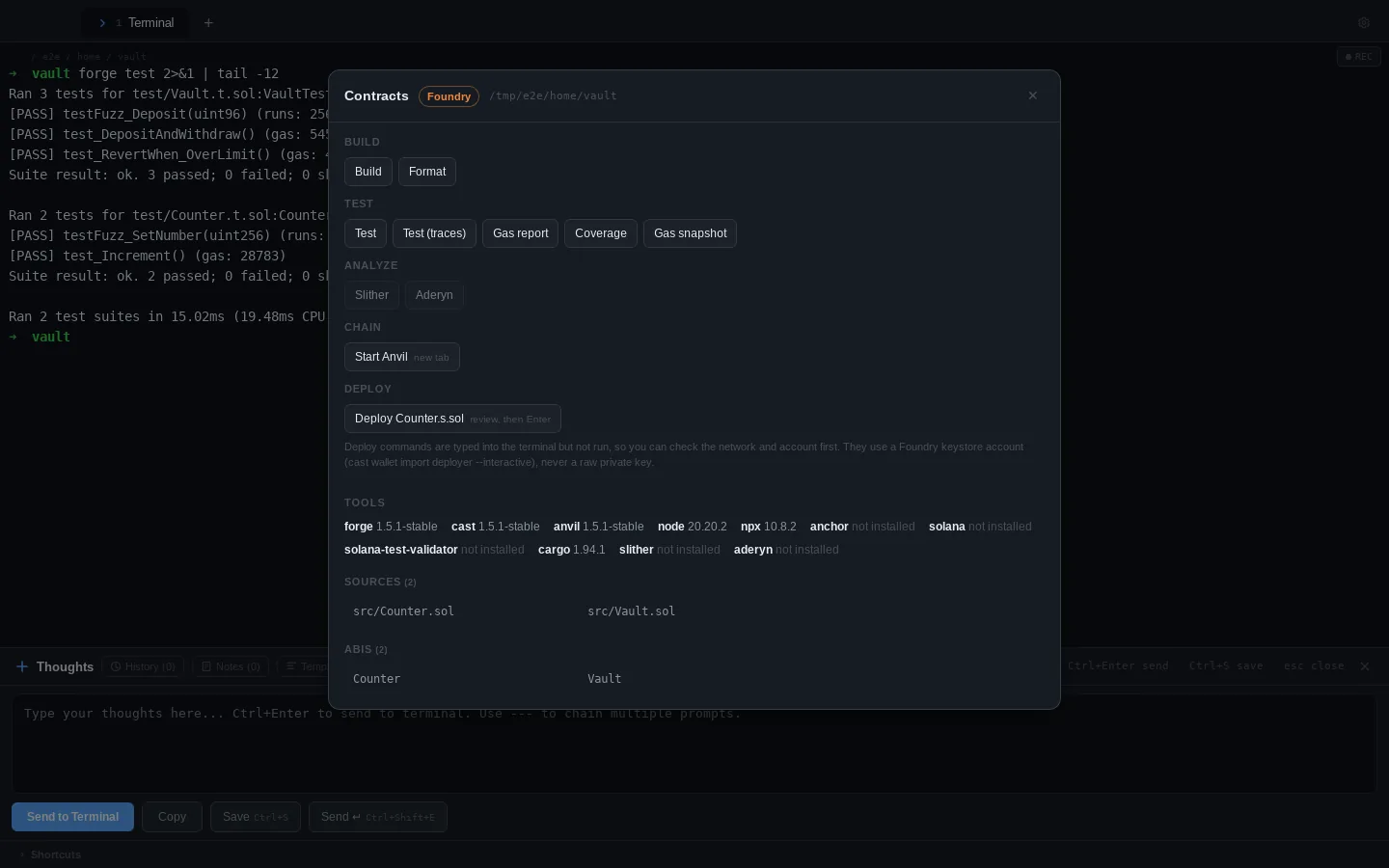
Build, test, gas, coverage, Slither and a local chain.
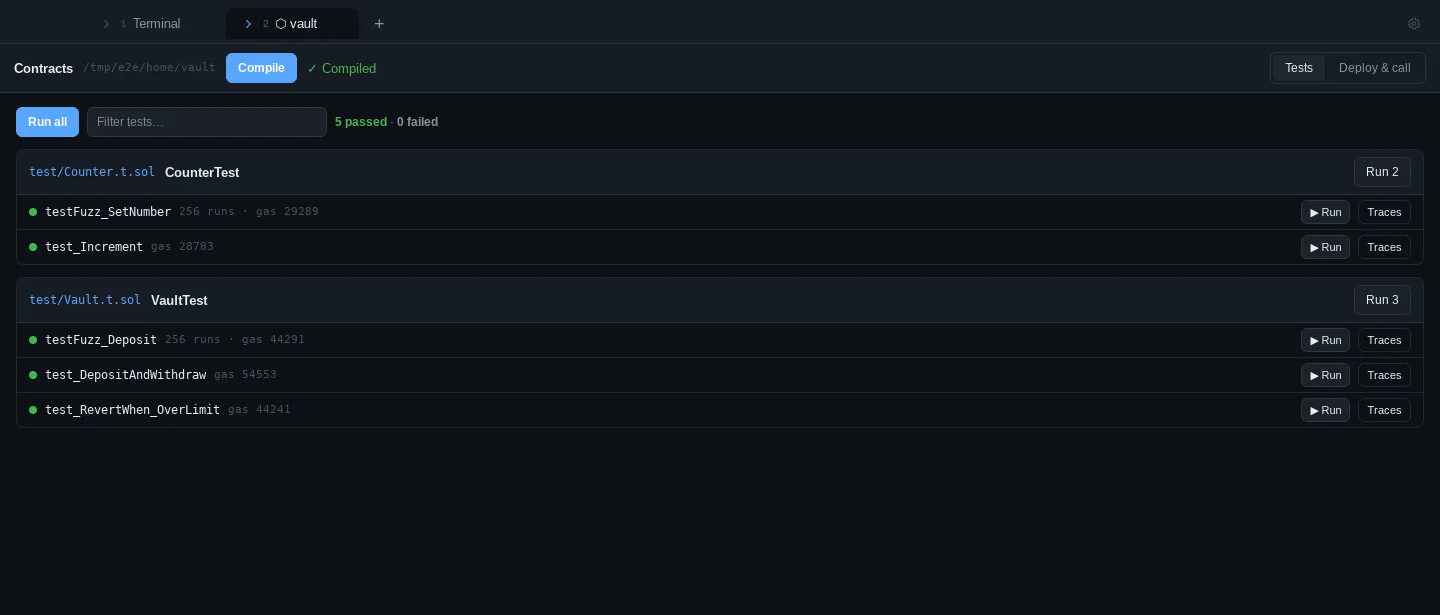
Each test's gas, fuzz runs and counterexamples. Deploy and call on Anvil.
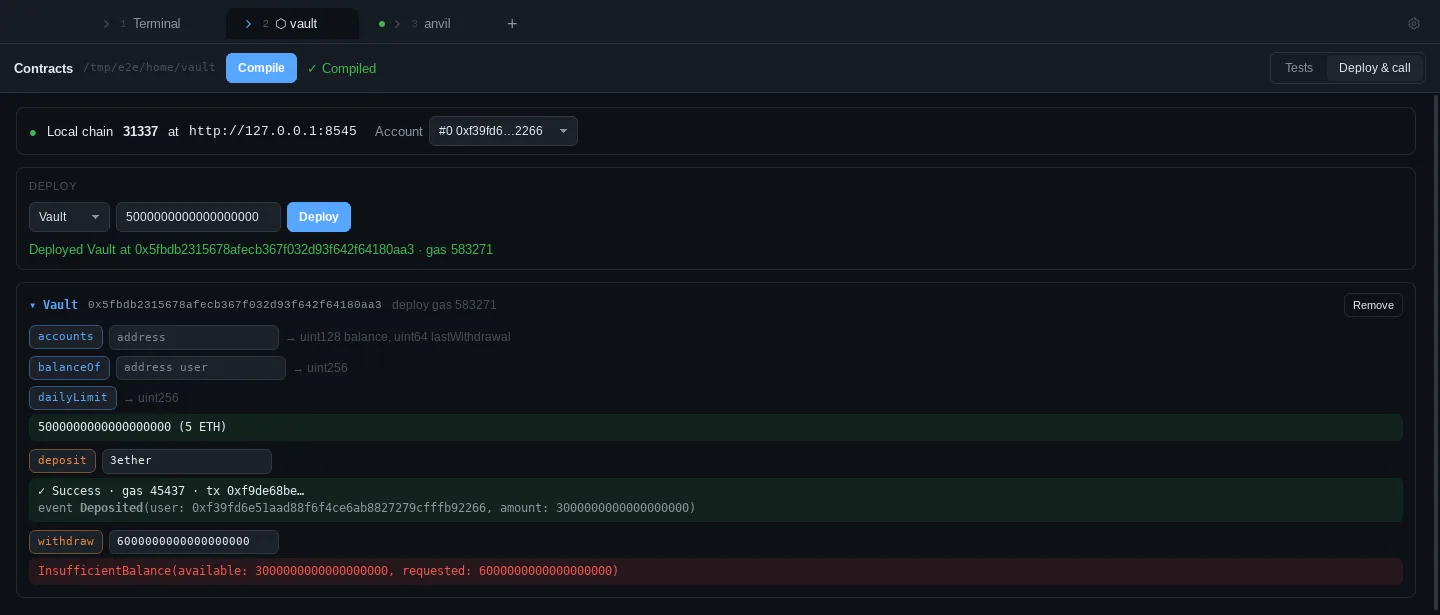
Deploys are typed for you to review, never run. ABIs with selectors.
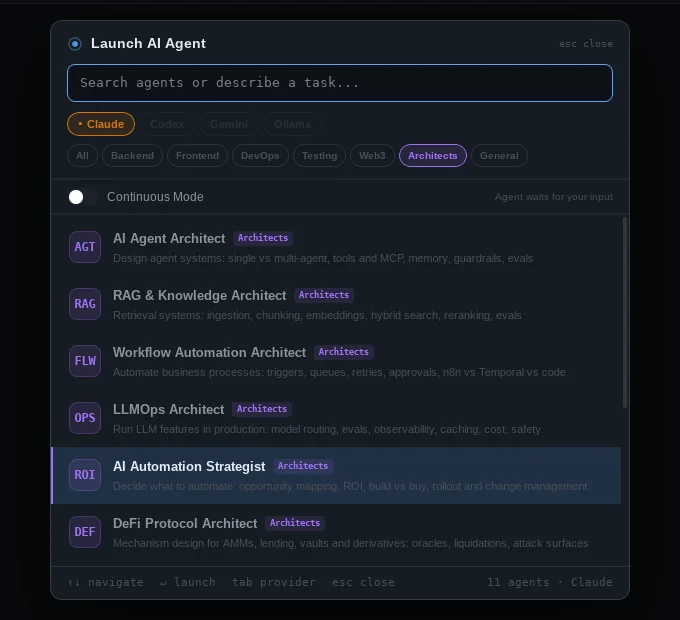
AI agent, RAG, LLMOps and workflow automation architects, beside DeFi, tokenomics and cross-chain. Plus an AI × Web3 architect for where they meet.
Project setup, Anti-slop, MCP library and Secrets vault.
ADE is MIT licensed. Use it at work, fork it, ship your own build, no permission needed.
There is no paid tier, because there is only one tier.
Free forever
Read it, change it, or lift the parts you want.
MIT licensed
The nineteen role definitions live in their own repo.
Yours to fork

ADE is what ardata builds client work in. The agent fleet, the methodology and the contract tooling all exist because the work needed them.

AI agents for voice, SMS and chat, built and deployed for each customer. Booked, NarraLearn and the Healthway front desk were all built in ADE.

Learn the workflow in ardata academy's course, then use the same tool on real projects.
Not a feature list. Things in production, built by the people who build ADE.
The operating system for autonomous finance: build and control agent-powered financial workflows.

Distributed-storage disaster recovery for files and databases, with automatic backup and verified restores.

Restores a real sample every month and publishes the verification report, rather than a backup-success log.
Data disaster recovery that runs on-premises or in the cloud, complementing high availability.
AI agents for voice, SMS and chat, built and deployed per customer.
Answers patients on chat, Viber and the phone, and books their appointments.
One QR code across yard signs, reels, flyers and cards, turning every one of them into a booking.
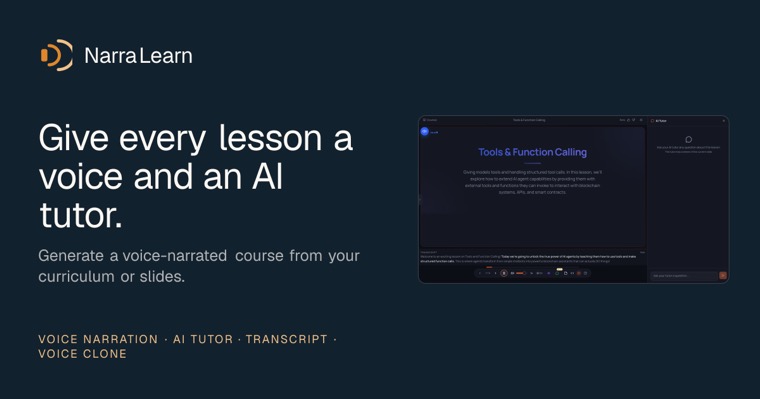
Turns a curriculum into a voice-narrated course with an AI tutor built in.

Canadian cybersecurity firm: compliance, penetration testing and monitoring.

Zero-trust AI.

A gold-backed token, over-collateralised beyond 100% by audited reserves.
Runs amateur basketball leagues, scoring games live by voice.
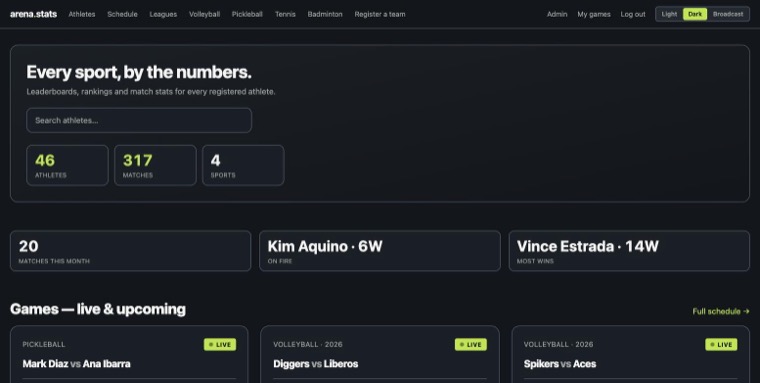
Leaderboards, rankings and match stats across every sport and registered athlete.
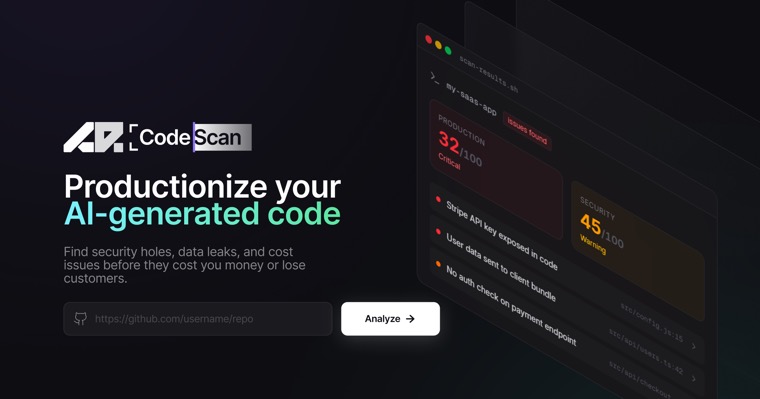
Scans code from GitHub, Replit or Lovable for security holes and production readiness.

A real-estate assistant that answers on properties, neighbourhoods and market conditions.
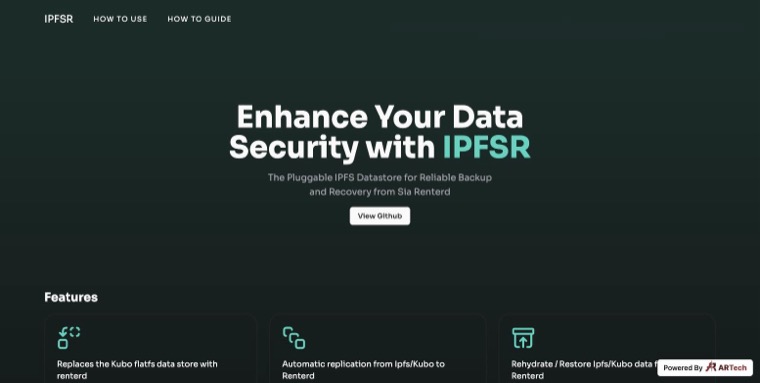
A pluggable IPFS datastore that replaces Kubo flatfs and replicates to Sia renterd.
IPFS implemented in Zig.
And hundreds of proofs of concept and pilot projects.
Yes. Download ADE; nothing is locked.
It does not. ADE is MIT licensed: no keys, no accounts, no seats to count. Use it at work, fork it, ship your own build.
Any CLI agent runs here, but ADE is built around Claude Code and goes deepest with it: sub-agents in .claude/agents/, a CLAUDE.md constitution, sub-agent lanes on the fleet timeline, and real spend read from its transcripts. Codex, Gemini and Ollama run side by side and show no cost, because they publish none.
As many as your machine and your provider's rate limits allow. Ten is what we test.
API keys stay in your OS keychain, never synced. ADE never handles private keys.
macOS (Apple Silicon and Intel) and Linux (.deb or AppImage). On macOS you can also run brew install --cask alvin-reyes/tap/ade. Windows support is coming soon.
Free and open source. Every feature, no account.